
When a lawyer who once provided free legal aid to marginalised communities in India ends up shortlisted for Entrepreneur of the Year in the UK, you pay attention.
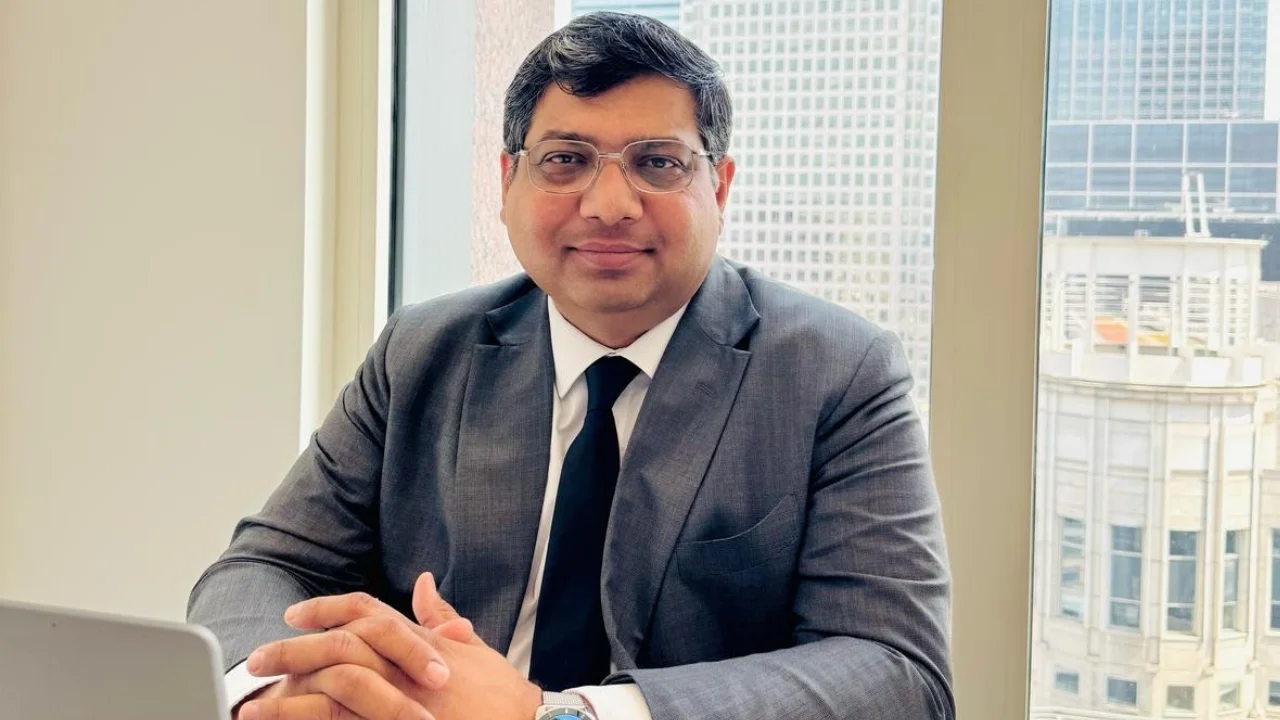
Sukhvinder Singh Nara, the founder and principal solicitor of Nara Solicitors, has been shortlisted for two individual awards at the 2026 Legal Growth Awards, Entrepreneur of the Year and the Recognition Award. His firm, Nara Solicitors, has also been shortlisted for Small Business of the Year.
That's three shortlistings across two categories for a firm that is not yet two years old. In a legal sector where most practices take a decade to get noticed, that's a remarkable pace.
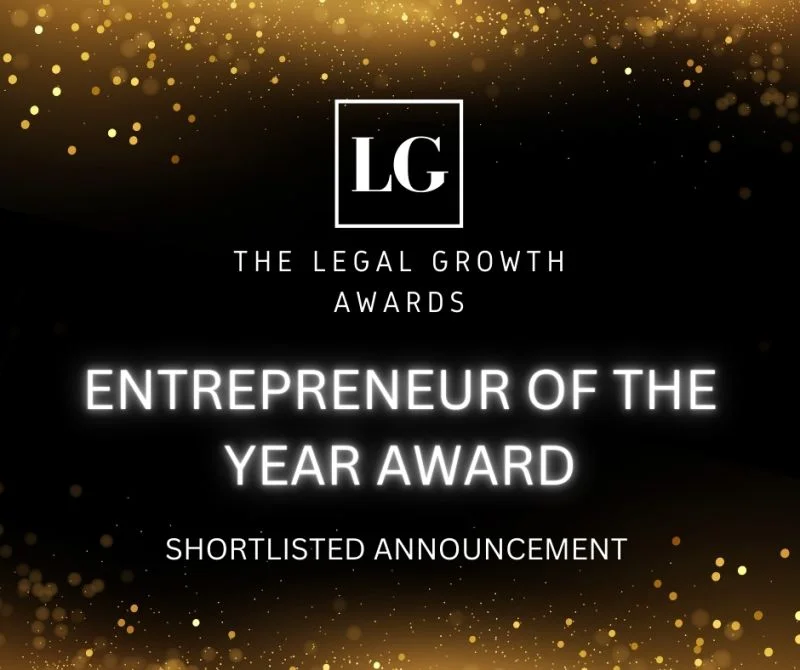
The Legal Growth Awards are an independently judged programme recognising leadership and innovation across the UK legal and professional services sector. The ceremony is set for 17th March 2026 in Lincolnshire.
In the Entrepreneur of the Year category, Nara is shortlisted alongside Gary Wayne Smith TEP of Birchwood Legal, Paige Gouldthorpe of Fosters Solicitors LLP, and Ann-Marie Shine-Newton of Lion Wills Limited.
In the Recognition Award category, he joins Sara Sheppard of SLS Wills and More, Nick Ash of W&P Legal, Bal Budesha of MapleWills Limited, and Carrie Broughtwood of APT Legal.
And in the Small Business of the Year category, Nara Solicitors is shortlisted alongside Alex Truesdale Wills, Law 365, and Lion Wills.
Sukhvinder Singh Nara's path to founding a London-based law firm was far from conventional.
He founded Nara Solicitors in January 2024. By the end of 2025, the firm had grown from a solo operation to a team of 18 dedicated professionals. In his end-of-year message, Nara reflected on that growth, noting that over 16,500 people searched specifically for the firm by name on Google during 2025 alone.
For a startup law firm, that kind of brand traction in under two years is unusual.
What makes Nara's story relevant to tech founders isn't just the legal services his firm offers. It's how he's building the business.
In his own words: "I have always had a passion for technology and innovation."
During 2025, Nara Solicitors invested in AI-powered tools to help businesses stay compliant with sponsor licence requirements and other regulatory obligations. The firm is doubling down on digital transformation heading into 2026, with plans to upskill the entire team alongside new technology rollouts.
This approach sits squarely within a broader UK trend. The UK legal tech market generated revenues of approximately $1.8 billion in 2024 and is projected to reach $3 billion by 2030, growing at a compound annual rate of 9.3%, according to Grand View Research. The UK is also home to 44% of all lawtech startups in Europe, with over 295 companies now operating in the space, according to a LawtechUK report covered by Legal Cheek.
For tech founders who rely on hiring migrant skilled workers or securing sponsor licences, having a solicitor who genuinely understands technology isn't a nice-to-have. It's a competitive advantage.
There's a pattern here that's familiar to anyone who follows the UK startup ecosystem.
Nara didn't wait for his firm to be established before thinking about technology. He built it into the foundation from day one, treating AI adoption not as a future upgrade but as a core part of how the business operates.
He also didn't let being a migrant founder slow him down. In a country that has become one of tech's most attractive destinations, Nara's story is a reminder that international founders continue to drive real innovation across sectors — including ones as traditional as law.
The UK legal services market grew 6.1% in 2025 to over £55 billion in revenue, according to a recent market report. At the same time, the number of law firms in England and Wales has fallen below 9,000 — meaning fewer firms are capturing more of the market. Technology is playing a clear role in deciding who wins and who doesn't.
With three shortlistings at a national awards programme and a team that's growing fast, Sukhvinder Singh Nara and Nara Solicitors are proving that a tech-first mindset can work even in the most traditional professions.
Whether he takes home the award on 17th March or not, the trajectory speaks for itself.