
Brain cancer is brutal.
For the 2,200 UK adults diagnosed with glioblastoma (GBM) each year, the statistics are devastating. Only 3% survive five years. Average survival is typically just 12 to 18 months from diagnosis. Even after surgery, radiotherapy, and chemotherapy, recurrence rates remain high.
QV Bioelectronics wants to change that.
The Cheshire-based MedTech has just secured £4.5 million in investment and grant funding to advance its flagship technology, a world-first fully implantable electric field therapy device called GRACE designed to improve outcomes for glioblastoma patients.
How the GRACE Implant Works
GRACE (Glioma Resection Advanced Cavity Electric Field therapy) delivers continuous therapeutic electric fields directly to the site where residual tumour cells are most likely to remain following surgical resection.
Unlike existing electric field therapy approaches that require patients to wear external caps with electrodes for most of the day, GRACE is fully implanted at the time of surgery. This enables uninterrupted therapy without adding day-to-day burden for patients.
Early laboratory testing has validated the company's approach, and this new funding will push GRACE toward its first-in-human clinical study.
The Founders
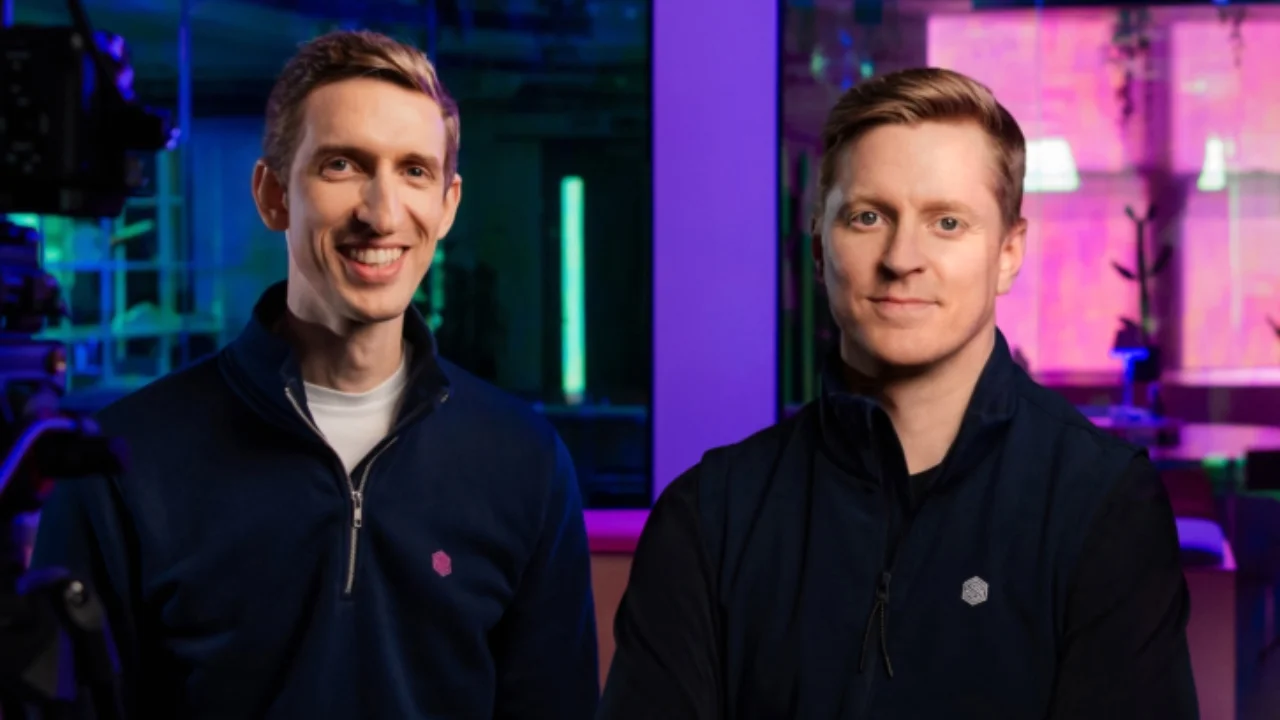
The company was co-founded by Dr Christopher Bullock, a biomedical engineer, and Dr Richard Fu, an NHS neurosurgeon.
The pair met while Bullock was researching graphene bioelectronic devices at the University of Manchester. Fu, frustrated by the lack of effective treatments for his brain tumour patients and by design flaws in existing electric field therapy technology, proposed a radical idea: what if the therapy could be delivered from inside the body?
In 2018, QV Bioelectronics was born.
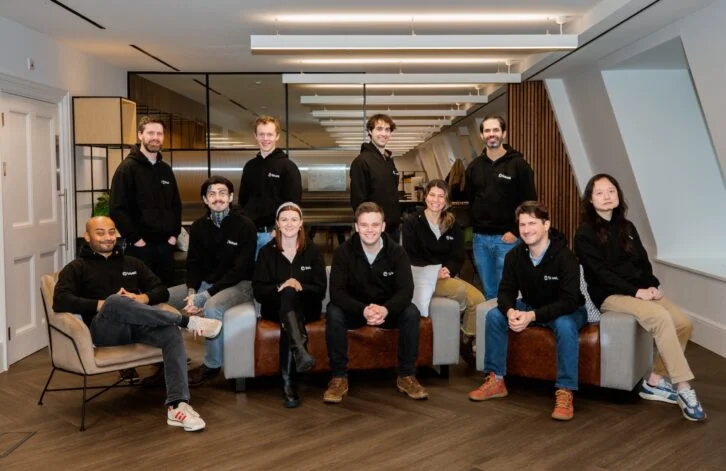
The company is now based at Alderley Park in Cheshire, one of the UK's major life sciences hubs, with a multidisciplinary team that includes biomedical engineers, cancer research scientists, and neurosurgical advisors.
The Investors
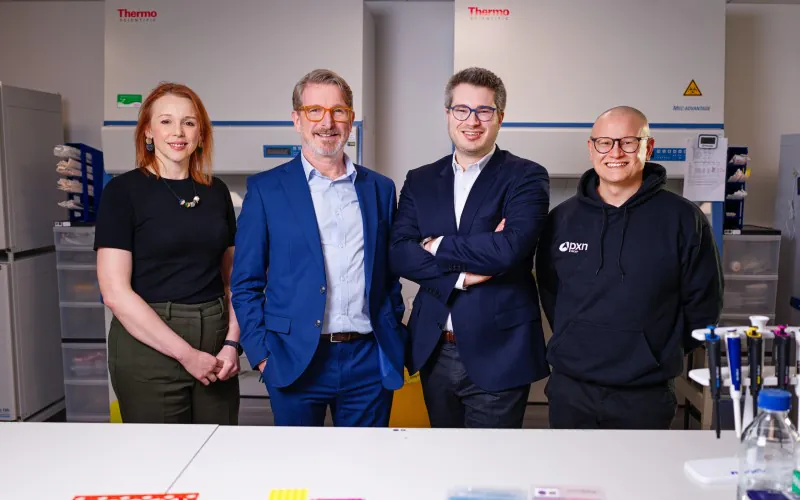
The funding round was led by PXN Ventures through the GMC Life Sciences Fund and NPIF II - PXN Equity Finance, alongside Empirical Ventures and angel investors.
The round also includes non-dilutive grant funding from the National Institute for Health and Care Research (NIHR) and Innovate UK.
This follows the £1.26 million Innovate UK grant QV secured in early 2025 through the Biomedical Catalyst programme, which helped prepare the company for clinical readiness.
Why It Matters for UK Deep-Tech
QV Bioelectronics is a textbook example of deep-tech innovation coming out of UK universities and scaling through regional investment funds.
For founders building in the UK's deep-tech ecosystem, it's a reminder that patient capital exists for genuinely transformative ideas, especially those addressing massive unmet needs.
What Comes Next
The investment will enable QV Bioelectronics to progress into its first-in-human clinical study, a major milestone in the development of GRACE. The study will generate critical clinical evidence to support safety, feasibility, and early signals of efficacy, laying the groundwork for future pivotal trials.
The company is also adapting its technology to treat childhood brain cancers, having secured £343,000 from Innovate UK in 2024 to develop a device for diffuse midline glioma (DMG), a devastating paediatric cancer with just a 2% five-year survival rate.
Dr Christopher Bullock, CEO and co-founder of QV Bioelectronics, said: "Glioblastoma remains a devastating diagnosis for patients and families, and progress in treatment has been frustratingly slow. Our goal with GRACE is to integrate continuous therapy directly into standard surgical care, targeting residual disease at the point where recurrence begins. This funding allows us to take a significant step forward, moving into first-in-human studies and generating the evidence needed to bring a new treatment approach to patients."
That's the kind of mission worth watching.
Building something in the UK tech space? Join The Tech Founders community for startup news, guides, and resources for early-stage founders.