
A London startup that can see heat from space just raised £30 million to scale up.
SatVu, the UK-based thermal intelligence company, has secured £30 million ($40.8 million) in new funding with the NATO Innovation Fund among the backers. The round brings SatVu's total equity investment to £60 million and puts it on track to deploy a multi-satellite constellation starting this year.
The round was led by the NATO Innovation Fund (NIF), a standalone venture capital fund backed by 24 NATO member nations. Alongside NIF, the British Business Bank, Space Frontiers Fund II managed by SPARX Asset Management, and Presto Tech Horizons all participated. Existing backers Molten Ventures, Adara Ventures, Ridgeline Ventures, NOA, Lockheed Martin, Seraphim Space Fund, and Stellar Ventures also joined the round.
For UK founders watching the defence tech and space sectors, this is a significant signal.
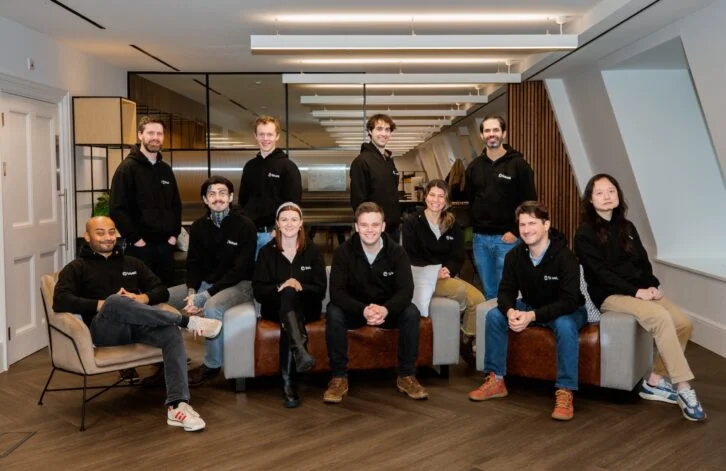
Founded in 2016 by Anthony Baker and Tobias Reinicke, SatVu is headquartered in London with around 38 employees. Baker, the CEO and a satellite industry veteran, has been clear about the company's mission. In a statement on the raise, he said: "SatVu was founded to give governments access to intelligence they cannot access elsewhere. High-resolution thermal imagery from space reveals activity that is otherwise invisible, day and night, including heat signatures associated with operations inside and around buildings and critical infrastructure. This allows governments to assess activity, readiness, and operational change, a critical new data layer that matters for defence, security, and sovereign decision-making."
The company delivers high-resolution thermal imagery captured from space at 3.5-metre resolution. That means it can detect heat signatures from buildings, industrial sites, military installations, and critical infrastructure, day and night, from orbit. Think of it as a thermometer for the planet. Its technology reveals operational activity that traditional optical satellites cannot see. It can tell whether a factory is running, a power plant is active, or a data centre has come online, all without anyone on the ground.
The applications span national security, economic monitoring, and climate resilience. SatVu has already been named one of TIME's Top GreenTech Companies 2025 and was the first UK company to win a Category 1 Copernicus Contributing Mission contract from the European Space Agency, worth up to €3 million over three years.
Trisha Saxena, Senior Associate at the NATO Innovation Fund, said: "SatVu's thermal intelligence technology can provide governments and businesses across NATO nations with a level of detailed data that was simply not available before. We are pleased to support SatVu as it revolutionises the earth observation market, delivering critical insights to the security, finance and commodities sectors to help safeguard defence and economic activity across the Alliance."
George Mills, Investment Director at British Business Bank, said: "SatVu has created a unique technology at a time of great demand for defence innovation. They have proved the strategic value of their technology so we are pleased to provide the funding that will help them to scale and win further contracts."
What the Money Is For
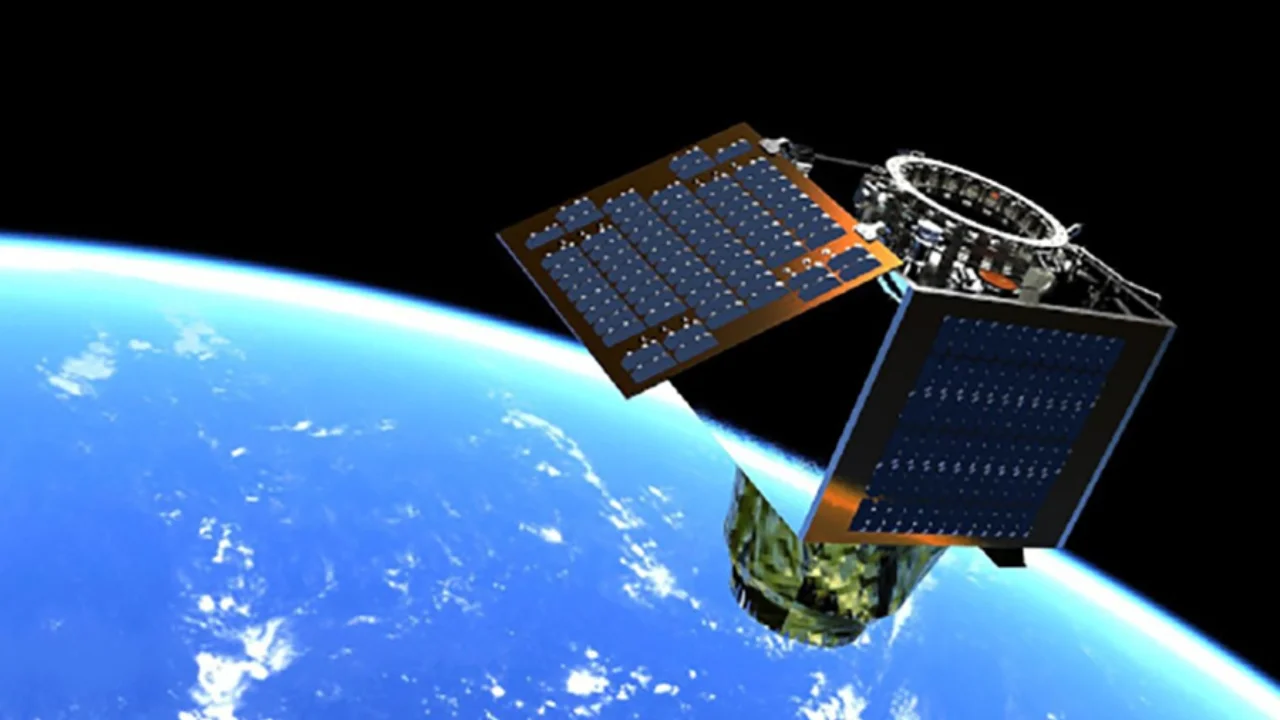
SatVu is moving from a single-satellite demonstration to a full constellation. Two spacecraft, HotSat-2 and HotSat-3, are scheduled for launch in 2026. Three more, HotSat-4, HotSat-5, and long-lead elements of HotSat-6, are already under contract.
A single satellite can image any location on Earth. A constellation changes the game entirely. It enables persistent monitoring with increased revisit rates, meaning customers can track patterns of activity and detect operational changes throughout the day rather than relying on isolated snapshots.
As of January 2026, the company has already secured £6 million in pre-orders ahead of HotSat-2's launch.
Camilla Taylor, Chief Financial Officer at SatVu, said: "This funding secures SatVu's path to execute at scale. We have a clear and credible path to a multi-satellite constellation, accompanied by investors that match the ambition and pace of the business. This round provides the ability to move fast into sustained delivery this year, driving a major value inflection as we scale commercial operations and position the business for its next growth phase."
UK Government Defence Backing
This is not just private money. SatVu's development has been directly supported by UK government defence innovation programmes, including a Defence Innovation Loan awarded through the Defence and Security Accelerator (DASA), now part of UK Defence Innovation.
Luke Pollard, Minister of State for the Ministry of Defence, commented: "We are committed to strengthening national security by scaling British SMEs and start-ups which help keep the UK's defence industry at the cutting edge of innovation. Last year we backed SatVu with a defence innovation loan, which has already helped spark £30 million further private investment through this funding round. Our support for defence firms through UK Defence Innovation is building British sovereign capabilities and driving economic growth across the country."
That is a powerful endorsement. A government defence loan directly catalysing £30 million in private investment is exactly the kind of public-private flywheel that UK tech founders building in deep tech and defence should be paying attention to.
Why This Matters for UK Founders
SatVu sits at the intersection of space tech, defence, and climate, three sectors that are seeing massive increases in government and institutional spending. The UK's defence tech ecosystem is growing rapidly, and SatVu's raise shows that sovereign capability and commercial scale are not mutually exclusive.
A few things stand out from this raise.
First, having NATO's venture fund lead the round is a stamp of credibility that opens doors across 24 allied nations. For any startup building a pitch deck in the defence or dual-use space, SatVu's investor lineup is a masterclass.
Second, the British Business Bank's participation shows that government-backed capital is actively flowing into deep tech. DASA loans, BBB investment, and ESA contracts are all funding mechanisms that early-stage founders should be exploring.
Third, the funding comes at a time when Britain and Europe are trying to keep pace with the United States in satellite technology. According to Reuters, the U.S. Senate Commerce Committee passed legislation this month to speed up approval of new satellites, making SatVu's sovereign positioning even more strategically relevant.
SatVu has gone from launching its first satellite in 2023 to securing NATO backing and a multi-satellite constellation in under three years. For a 38-person team in London, that is a remarkable trajectory.
Building a tech startup in the UK? Join The Tech Founders community for the latest news, guides, and resources to help you grow.