
SeaDyes, a Scotland-based startup producing natural dyes from seaweed, has secured £200,000 in funding after entering the Company Creation phase of Scottish Enterprise's High Growth Spinout Programme.
The announcement, made on 14 March 2026, marks a step up from the startup's earlier £75,000 award from the same programme, which it received when it first joined The James Hutton Institute as a spin-in company at the start of 2025.
What SeaDyes Does
Founded in July 2023 by marine scientist and biotech innovator Jessica Giannotti, SeaDyes is building a commercial alternative to petroleum-based synthetic dyes used in the global textile industry.
The fashion and textiles sector is one of the most polluting industries on the planet. Textile dyeing and finishing contributes around 3% of global CO₂ emissions today, with projections suggesting that figure could reach 10% by 2050. Every year, petroleum-based dyes pump approximately 280,000 tonnes of pollution into the environment. They are also responsible for 20% of global industrial wastewater pollution.
SeaDyes is developing seaweed-derived dye technology that sidesteps all of that. The dyes are natural, non-toxic, and sourced from a renewable feedstock. Giannotti originally developed the concept through the Scottish Association for Marine Science (SAMS) before spinning it out as a dedicated company. It is part of a broader wave of UK biotech startups attracting early-stage funding for science-led solutions.
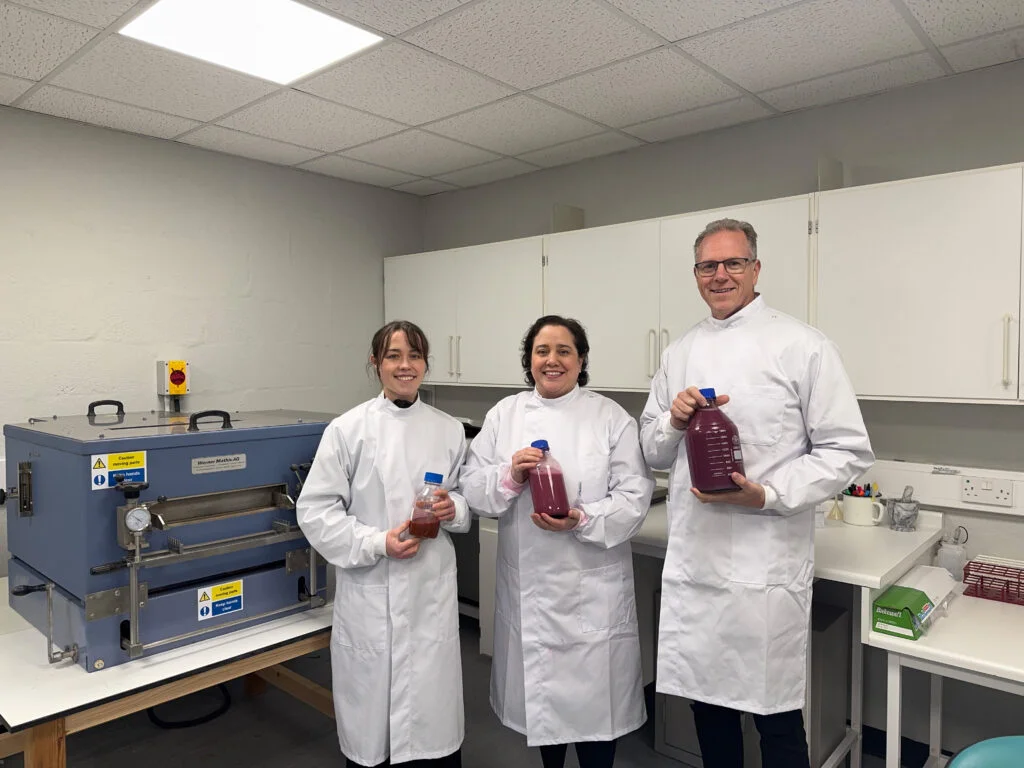
Since early 2025, SeaDyes has been based at The James Hutton Institute's Invergowrie campus in Scotland, where it has access to specialist equipment, workspaces, and commercial support through Hutton Scientific Services.
The Funding
The £200,000 comes from Scottish Enterprise via its High Growth Spinout Programme, specifically at the Company Creation phase. This phase is designed to help spinout companies move from research to a commercially structured business ready for external investment. SeaDyes is not alone in this — UK startup ScrubMarine recently secured £849K through a similar ocean-focused sustainability mission.
Leah Pape, Head of High Growth Services at Scottish Enterprise, said the funding would give SeaDyes "the capital and structured support needed to accelerate the journey to spinout" and help the team build a robust commercial proposition.
Beyond this round, the company is actively seeking further investment from new partners. Founders Jessica Giannotti and Ian can be contacted at jessica@seadyes.com and ian@seadyes.com respectively.
Why This Matters for Founders
SeaDyes is a good example of how deep tech and sustainability can intersect with patient, institutional funding routes in the UK, particularly in Scotland. Rather than going straight to angels or VCs at the earliest stage, the company embedded itself within a research institution, used government-backed programme funding to advance the technology, and is now positioning itself for external investment from a much stronger commercial footing. The UK secured second place globally in tech funding in 2025, which makes this an increasingly attractive environment for science-led spinouts.
For founders working in biotech, cleantech, or materials science, the Scottish Enterprise spinout model is worth paying close attention to. The pathway from research spin-in to Company Creation phase to full spinout is structured and supported, which can be a real advantage when the core technology still needs refinement before it can attract institutional capital. If you are at an earlier stage, our guide on creating a startup pitch deck in 2026 covers how to position a science-led business for investment.
This funding also signals growing investor appetite for sustainable materials startups. As regulatory pressure on the fashion industry intensifies across the EU and UK, startups with credible, scalable alternatives to synthetic chemicals are going to find more open doors.
What's Next
SeaDyes is continuing to develop its proprietary seaweed-derived dye technology at the Invergowrie campus while building out its commercial proposition ahead of a full spinout. The company is open to new investment partners at this stage.
Key Takeaways
SeaDyes has raised £200,000 from Scottish Enterprise's High Growth Spinout Programme
Founded in July 2023 by Jessica Giannotti, based at The James Hutton Institute in Scotland
The startup makes natural, non-toxic textile dyes from seaweed as an alternative to petroleum-based synthetics
The textile dye industry contributes 280,000 tonnes of pollution annually and accounts for 3% of global CO₂ emissions
SeaDyes is now open to further investment as it prepares for commercial spinout
Want to stay across early-stage funding news and founder resources? Join The Tech Founders community for weekly updates.
Related news: