
Alcohol harm costs England an estimated £27.4 billion a year. Over 10 million people regularly exceed low-risk drinking guidelines. And 82% of the 600,000 dependent drinkers in England are not receiving any treatment.
Those numbers are staggering. And one UK startup thinks the problem is not a lack of willpower. It is a lack of modern, accessible solutions.
Meet Nul.
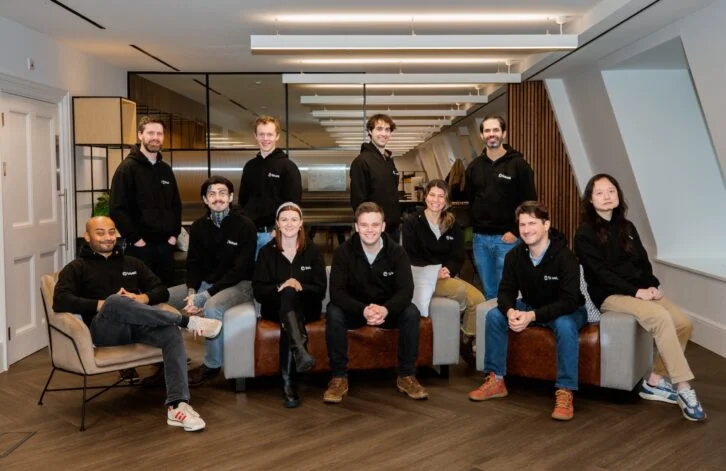
Nul has raised nearly €840,000 (approximately $1 million) in Seed funding. The round was led by dmg ventures, the venture arm of Daily Mail and General Trust, and BYVP. A group of angel investors with backgrounds in technology, healthcare, and consumer brands also participated.
The funding will go towards a full UK commercial launch, expanding the clinical and product teams, scaling customer acquisition, and laying the groundwork for international expansion.
What Nul Does
Nul is a UK-based HealthTech startup building a telehealth platform for alcohol reduction. It combines prescription medication, clinical care, and structured digital support into a single subscription-based service.
The core of the programme is built around naltrexone, an FDA-approved medication used to treat alcohol use disorder. Naltrexone works on the brain's reward pathways to reduce cravings, similar in principle to how GLP-1 drugs have transformed obesity treatment. Nul pairs this with The Sinclair Method, a clinical approach that studies have reported can achieve success rates of up to 78%.
Everything is delivered remotely. No in-person rehab. No waiting lists. No stigma. You get a virtual consultation, ongoing clinical support, home delivery of medication, and digital coaching through a single platform.
The company's clinical partners include Blueco Healthcare (a CQC-registered healthcare provider) and Thriva (for at-home liver function testing).
Nul was founded by Matus Maar, an experienced entrepreneur and investor who co-founded Talis Capital and helped early-stage companies like Darktrace and Onfido scale internationally. He also co-founded pirate.com and Threads before turning his attention to healthcare.
Maar left a successful investing career specifically to tackle what he sees as one of healthcare's most underserved categories. As he put it in a recent interview with TechRound, his goal is to make proven alcohol support as accessible as food delivery or streaming services.
He has described Nul as the "Ozempic for alcohol," a deliberate comparison to the GLP-1 revolution that has reshaped how the world thinks about weight management.
Why This Problem Is Massive
Alcohol is one of the most harmful legal substances in the UK, yet treatment options have barely changed in decades. The dominant models are still 90-year-old abstinence-only programmes like AA and expensive in-patient rehab with high relapse rates.
Here is the scale of the problem:
Alcohol-specific deaths in England hit 8,274 in 2023, the highest rate since records began. There were over 280,000 hospital admissions where alcohol was the primary cause. The NHS alone spends an estimated £4.9 billion annually treating alcohol-related harm. And only a tiny fraction of people with alcohol use disorder ever receive medication, despite decades of clinical evidence supporting drugs like naltrexone.
Meanwhile, telehealth platforms have already transformed mental health, weight loss, and sexual health. Alcohol has been left behind.
What Makes Nul Different
Nul is not building another counselling app. It is building a clinically-backed, medication-first platform that meets people where they are.
The subscription model means ongoing support rather than a one-off intervention. The remote delivery removes the barriers of geography, waiting times, and the social stigma that stops many people from seeking help. And the medication-led approach addresses the biological reality of alcohol dependence rather than relying purely on willpower.
The company is also working with NHS Manchester University NHS Foundation Trust and researchers from King's College London and Manchester Metropolitan University on clinical trials to measure the real-world impact of its programme.
Rachel Muzyczka, Partner at dmg ventures, said the startup's approach is both timely and aligned with growing demand for healthier lifestyles, adding that they see tremendous potential in the market Nul is targeting.
What This Means for UK HealthTech Founders
Nul sits at a fascinating intersection of telehealth, subscription commerce, and an underserved clinical category. If you are a UK tech founder, there are a few things worth noting here.
First, the investor profile matters. dmg ventures backing a seed-stage healthtech startup signals that consumer health platforms with clear subscription economics are attracting attention from media-adjacent investors who understand distribution. With record UK tech incorporations, competition for standout startups is fierce.
Second, the GLP-1 comparison is smart positioning. The Ozempic wave has opened public conversation about using medication to address behaviour-linked health conditions. Nul is riding that same cultural shift but applying it to alcohol.
Third, clinical partnerships with NHS trusts and universities at this early stage give the company credibility that is hard to replicate. For any founder building a pitch deck, this is worth studying as a blueprint.
The UK's tech ecosystem continues to attract serious healthtech investment, and Nul is a good example of why. A clear problem, a clinically validated solution, a modern delivery model, and a founder with strong founder-market fit who understands both the investment and operational side of scaling a company.
With 15 million people in the UK wanting to drink less, the total addressable market is enormous. And Nul just raised the money to go after it.
Building a tech startup in the UK? Join The Tech Founders community for the latest news, guides, and resources to help you grow.