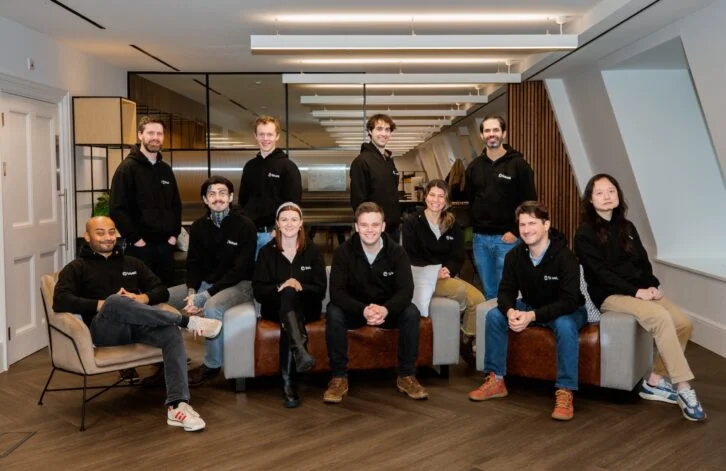

Something interesting is happening in the startup world right now.
The fastest-growing companies aren't winning because they've cracked paid advertising or hired the biggest marketing teams.
They're winning because their people are talking.
Not just the CEO. Not just the marketing department. Their engineers. Their designers. Their heads of growth. Their product managers.
Everyone.
And it's working better than anything else.
The Companies Leading This Shift
Look at the startups that are absolutely dominating right now.
Lovable hit $200 million ARR in under a year with just 100 employees. According to Lenny's Podcast, their Head of Growth Elena Verna credits much of their success to founder-led content. CEO Anton Osika posts regularly.
Elena herself has become one of the most followed voices in growth marketing. Felix Haas, their developer educator, has built a dedicated following teaching people how to use the product.
Each person reaches a different audience. Each post builds trust in a different corner of the internet.
Gamma is even more impressive. They grew from $0 to $100 million ARR with fewer than 50 people. How? CEO Grant Lee shares thought leadership and growth insights.
Co-founder Jon Noronha posts behind-the-scenes stories and product updates. Kristin Fracchia runs their creator strategy with over 150 micro-influencers whilst posting regularly about growth and marketing.
This isn't a coincidence. It's a strategy.
Cursor, the AI coding tool that's taken the developer world by storm, follows the same playbook. Co-founder Michael Truell, along with Ben Lang and Rohan Varma, all have meaningful distribution on LinkedIn and Twitter.
They've built a $300 million ARR business partly by being visible, accessible, and constantly sharing what they're learning.
The Data Behind Employee-Led Content
Here's where it gets fascinating.
According to DemandSage's LinkedIn statistics, employees are 14 times more likely to share content from their employer than any other type of content. And when they do, 30% of a company's total LinkedIn engagement comes from employee shares.
But here's the kicker: employee-shared posts outperform brand posts by 5 to 10 times.
Read that again. Five to ten times.
Why? Because people trust people. They don't trust logos. When Grant Lee from Gamma shares a lesson about building a profitable startup, it lands differently than the same message from @GammaApp. It feels real. It feels earned.
LinkedIn now has over 1.1 billion members, with 310 million active monthly users. Video content gets 5 times more engagement than text posts. Thought leadership generates 6 times more engagement than job-related content.
The platform is practically begging for authentic voices. And the companies that understand this are winning.
Why Traditional Marketing Is Losing Ground
The old playbook was simple: build a brand account, hire a social media manager, schedule posts, run ads, measure impressions.
It doesn't work anymore.
Algorithms favour personal accounts over brand pages. Audiences scroll past corporate messaging but stop for genuine human stories. Trust in institutions is at historic lows, but trust in individuals — especially those who share openly about their work — is rising.
Elena Verna put it perfectly in her analysis of AI growth tactics: at Lovable, their biggest marketing wins don't come from paid campaigns. They come from founders posting on LinkedIn.
This represents a fundamental shift. When you're building a startup, your pitch deck tells your story in slides, but your team's content tells it every single day, to audiences you could never reach through traditional channels.
What Employee-Led Content Actually Looks Like
Let's get specific. What are these companies actually doing?
Carta has mastered data-driven content. CEO Henry Ward posts regularly about private markets and cap table management. But they've also built something more powerful: Peter Walker runs their Insights team and turns data from around 30,000 startups into narratives that regularly go viral on LinkedIn. They've become the source for startup funding data.
This isn't just marketing. It's positioning. When journalists need data on startup trends, they call Carta. When founders want to understand their cap table, they think Carta. The content has made them synonymous with the category.
At Gamma, the approach is different but equally effective. According to their company blog, they've saved millions in marketing costs by having their team share authentically. Grant Lee personally onboarded early influencers for white-glove experiences. The result? Organic Instagram posts exploded with engagement, fuelling word-of-mouth growth that paid ads could never match.
Lovable takes community integration even further. Their Discord now hosts hundreds of thousands of members who help each other, advocate for the product, and feel like co-creators rather than customers. That community was built by team members showing up, being helpful, and sharing openly — not by a faceless brand account.
Why This Matters for Your Startup
If you're building a company right now, this isn't optional anymore. It's existential.
Your competitors aren't just competing on product. They're competing on attention. On trust. On the relationship they're building with potential customers before those customers ever need their product.
When you're searching for the right co-founder, you're looking for someone who shares your vision and complements your skills. But in 2026, you should also be thinking: can this person help us build distribution? Do they have the ability — and willingness — to share our story publicly?
Every hire becomes a potential distribution channel. Every team member who posts thoughtfully compounds your credibility. A personal brand from one founder account isn't enough anymore. You need a team that both ships and speaks.
The Compounding Effect
Here's what makes this strategy so powerful: it compounds.
When Elena Verna posts about growth tactics, she's not just reaching her followers. She's reaching their followers when they share and comment. She's building Lovable's brand with every insight. She's establishing trust that converts into trials, which convert into revenue.
When Grant Lee shares a lesson from building Gamma, he's not just getting engagement. He's creating content that gets quoted in podcasts, referenced in newsletters, and remembered when someone needs a presentation tool.
This is distribution you can't buy. And it compounds over time in a way that paid advertising never will.
The UK startup ecosystem is attracting unprecedented investment right now. Competition for attention is fierce. The startups that understand how to build distributed authority across their entire team will have a massive advantage over those still relying on traditional marketing playbooks.
How to Start Building This Capability
So how do you actually implement this?
Start with your founders. If the CEO and co-founders aren't posting regularly, nothing else matters. They set the tone. They demonstrate that sharing publicly is valued. They show what good looks like.
Identify your natural voices. Not everyone needs to become an influencer. But most teams have people who are naturally curious, articulate, and enjoy sharing what they're learning. Find them. Support them. Give them time and encouragement to build their presence.
Create systems, not mandates. Forcing employees to post corporate messaging backfires. Instead, create a culture where sharing is celebrated. Highlight team members who post well. Share internal wins that people can talk about externally. Make it easy and rewarding.
Focus on substance over volume. One thoughtful post per week beats daily noise. The founders and teams winning at this aren't posting generic motivation. They're sharing specific insights, real numbers, honest lessons. The kind of content that makes people stop scrolling.
Think long-term. Building meaningful distribution takes time. The companies dominating today started building their presence years ago. If you start now, you'll be ahead of competitors who are still debating whether this matters.
The Uncomfortable Truth
There's a reason more companies don't do this well.
It's uncomfortable. It requires vulnerability. It means putting yourself out there before you feel ready. It means sharing failures alongside wins. It means building in public when you'd rather build in private.
But that discomfort is exactly why it works.
Anyone can run ads. Anyone can post corporate content. Not everyone can build genuine trust through consistent, authentic presence.
The startups that understand this — the Lovables, the Gammas, the Cursors — are playing a different game entirely. They're not just building products. They're building audiences. They're not just hiring employees. They're recruiting advocates.
The Question You Need to Answer
Employee-led content is the easiest way to become impossible to ignore in 2026.
Each hire becomes a viable distribution channel. Every post compounds credibility. A personal brand from one account isn't enough anymore.
You need a team that both ships and speaks.
So the question isn't whether this approach works. The data is clear. The case studies are overwhelming.
The question is: what's stopping you from starting?