
Christchurch-based Online Oceans has raised £4 million ($5.4 million) in seed funding to scale up production of its solar-powered autonomous surface vessels and fleet software. The round was led by Seraphim Space.
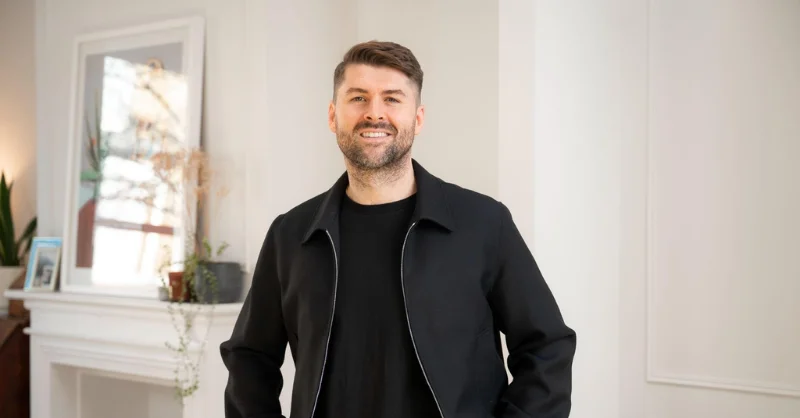
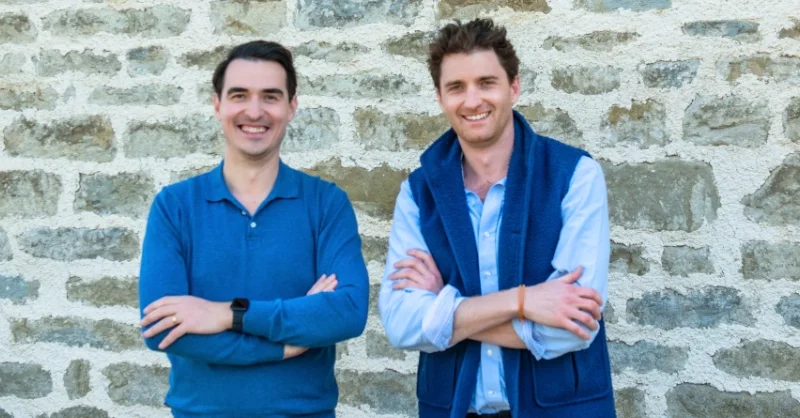
Participation came from SolarCity co-founder Peter Rive, Quantum Systems founders Frank Thieser and Florian Seibel, and Koro Capital. Founded in 2023 by George Morton and Alistair Douglas, Online Oceans has moved from first builds to production ramp in just over a year.
What does Online Oceans do?
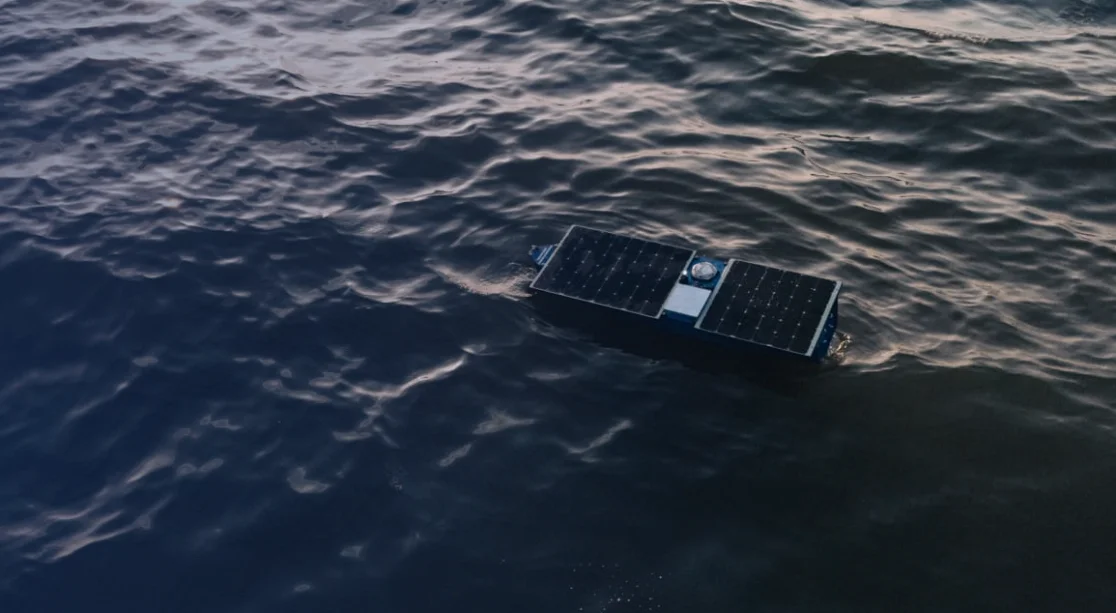
The product is a pair of complementary systems. Scout is a 2.4-metre, 80kg solar-electric autonomous surface vessel built for long-endurance deployment, with a starting price of £19,000 per unit. Tether is the cloud-based command-and-control platform that lets a single operator manage missions, monitor assets, and access live data across a fleet.
Scout is rated for sea state 8+ conditions and can be launched by one person from a beach or slipway, no support vessel required. It comes in five payload configurations covering maritime surveillance, subsea data harvesting, oceanographic sensing, AI-powered acoustic monitoring, and custom sensors. Use cases span anti-submarine warfare, subsea cable and pipeline protection, border security, counter-drug smuggling, and broader maritime domain awareness. Online Oceans is Cyber Essentials certified and counts ARIA, Ocean Infinity, and Applied Ocean Sciences among its early customers.
What will the £4 million be used for?
The funding will scale manufacturing, support deployments, and expand capacity to meet growing demand across defence and commercial markets. The company has already begun first data sales and sold out the first few months of production ahead of commercial deliveries scheduled for April 2026.
George Morton, founder and CEO of Online Oceans, said cost has been the constraint holding back persistent maritime monitoring. "Persistent maritime coverage has been too expensive for too long. That has limited what governments and operators can actually see, protect and respond to at sea. We built Online Oceans to change that."
Maureen Haverty, Investment Principal at Seraphim Space, said the breakthrough is the coverage model rather than a single hardware win. "Online Oceans is building a category-defining company at the intersection of defence, maritime autonomy and data. The breakthrough here is not just a lower-cost vessel. It is a new coverage model: dense, persistent fleets that can monitor critical waters continuously rather than sporadically."
Why is this round significant for UK defence tech?
Online Oceans sits in a fast-growing UK defence and dual-use cohort that includes Spaceflux, which raised £9M for sovereign space intelligence, and SatVu, which raised $30M for thermal Earth observation. UK companies building infrastructure-grade sensing and autonomy, anchored by early government and commercial customers, then raising to scale.
The investor mix is worth noting. Peter Rive co-founded SolarCity (sold to Tesla in 2016), and Frank Thieser and Florian Seibel built Quantum Systems into one of Europe's larger drone and defence-tech companies. Their backing alongside Seraphim Space, the UK's most active space and defence-tech investor, is strong international validation for a UK-headquartered defence startup at seed stage.
What this means for UK founders
For founders building hardware in defence, dual-use, or critical infrastructure, Online Oceans is a useful case study in two things. First, productising fast. The team went from first builds to production ramp in just over a year, with Scout sold-out for its first months and recurring software and data revenue layered on top. Second, deliberate cost discipline, designing for low unit cost and dense fleet economics from day one rather than building a premium product and hoping costs come down later.
The pairing of a maritime engineering founder (Morton) and a software lead for command-and-control (Douglas) is also a textbook structure for a hardware-plus-software defence company, and a useful reference point for founders thinking through founder-market fit. The UK secured second place globally in tech funding for 2025, and defence and dual-use technology is one of the segments doing the heaviest commercial lifting inside that number.
We will update this story as Online Oceans' commercial deliveries and Gulf-region deployments progress.
Building a UK defence or hardware startup, or thinking about how to position for government and commercial customers? Join The Tech Founders community for case studies, founder interviews, and practical guides.
Related guides: